High blood pressure often develops without obvious warning signs, which is why hypertension is sometimes called a “silent” condition. Learn what blood pressure numbers mean, who may be at risk, why regular monitoring matters, and how timely medical care can help protect your heart, brain, kidneys and overall health.
When Did You Last Check Your Blood Pressure?
Do you know what your blood pressure is today?
Have you been feeling perfectly healthy and assumed that means your blood pressure must be
normal?
Do you only get your blood pressure checked when you visit a doctor because you're unwell?
Perhaps someone recently measured your blood pressure and told you, “Your BP is a little high.” It can be tempting to ignore a single high reading, particularly when you don't feel sick. But there's something important everyone should understand about hypertension, commonly known as high blood pressure: It can exist for years without causing noticeable symptoms. That makes regular blood pressure monitoring and appropriate medical evaluation especially important.
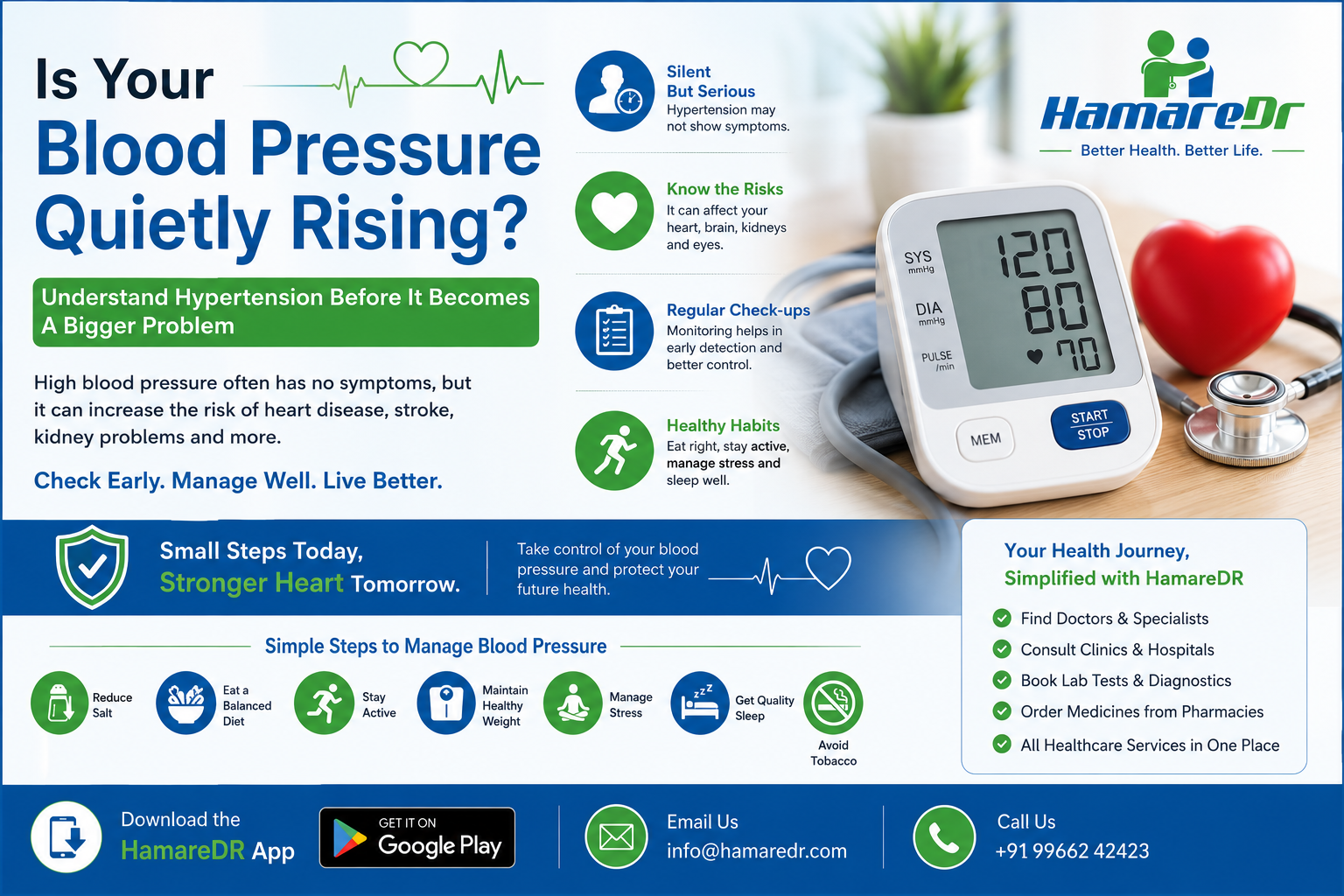
Every time your heart beats, it pumps blood through blood vessels to deliver oxygen and nutrients throughout your body. Blood pressure is the force exerted by circulating blood against the walls of your arteries. A blood pressure reading contains two numbers.
For example:
120/80 mmHg The upper number (systolic pressure) measures the pressure in your arteries when your heart contracts. The lower number (diastolic pressure) measures the pressure when your heart relaxes between beats. Blood pressure naturally changes throughout the day depending on activity, stress, sleep and other factors. The concern arises when blood pressure remains consistently elevated.
Hypertension occurs when blood pressure is persistently higher than the recommended range. A single elevated reading does not necessarily mean you have hypertension. Blood pressure can temporarily rise because of factors such as physical activity, anxiety, stress, pain, caffeine or certain medicines. This is why healthcare professionals may take repeated measurements or recommend home blood pressure monitoring before confirming a diagnosis. Your readings should therefore be interpreted by a qualified healthcare professional rather than self-diagnosed from one measurement.
Here's what makes hypertension particularly easy to overlook: Many people with high blood pressure experience no symptoms at all. You may work normally. You may exercise normally. You may sleep normally. You may feel completely healthy. And your blood pressure may still be elevated. Some people associate headaches, dizziness, tiredness, blurred vision, nosebleeds or palpitations with high blood pressure. These symptoms can have many causes and aren't a reliable way to determine whether you have hypertension. The only practical way to know your blood pressure is to measure it.
Hypertension can affect many different people, but certain factors may increase your risk. These include:
Family history of hypertension, increasing age, Being overweight or obese, Physical inactivity, A diet high in salt, Smoking or tobacco use, Excessive alcohol consumption, Long-term stress, Diabetes, Kidney disease, High cholesterol, Poor-quality or insufficient sleep Risk factors can interact with each other. For example, someone with diabetes, excess weight and a sedentary lifestyle may have several cardiovascular risk factors that require medical attention rather than focusing only on blood pressure.
Imagine water flowing through a pipe under excessive pressure for years. Eventually, that pressure can contribute to damage. Something similar can happen within the cardiovascular system. Persistently elevated blood pressure places additional strain on blood vessels and organs. Over time, uncontrolled hypertension can increase the risk of serious health problems.
Heart Disease : High blood pressure forces the heart to work harder and is an important risk factor for cardiovascular disease.
Kidney Problems : The kidneys contain delicate blood vessels that help filter waste from the blood. High blood pressure can damage them over time.
Eye Problems : Hypertension can affect blood vessels supplying the eyes and potentially contribute to vision problems.
Heart Failure : Long-term strain on the heart can eventually affect its ability to pump blood efficiently. This is why controlling blood pressure isn't simply about improving a number on a machine. It's about protecting your organs and reducing your long-term health risks.
“My BP Was High Once. Do I Have Hypertension ?
Not necessarily. One reading is usually not enough to diagnose hypertension. Your doctor may recommend several measurements taken on different occasions or ask you to monitor your blood pressure at home. If you're measuring blood pressure yourself, technique matters too.
For a more reliable measurement:
Sit quietly before taking the reading, Keep your back supported and feet flat on the floor, Rest your arm comfortably, Avoid talking while the measurement is being taken, Use an appropriately sized cuff, Take measurements according to your healthcare professional's instructions, If your readings are repeatedly elevated, share them with your doctor.
Your Follow-Ups:
Being diagnosed with high blood pressure doesn't mean treatment ends after receiving a prescription. Hypertension usually requires ongoing management. Your doctor may recommend regular monitoring of:
Blood pressure
Blood glucose
Cholesterol
Kidney function
Body weight
Cardiovascular risk
Medication response Follow-up appointments also allow your healthcare provider to determine whether treatment is working effectively. Do not stop taking prescribed blood pressure medication simply because your readings improve or because you feel well. Your blood pressure may be controlled precisely because the treatment is working. Any changes to medication should be discussed with your doctor.
Lifestyle plays an important role in preventing and managing high blood pressure. Depending on your individual circumstances, healthcare professionals may recommend changes such as:
Reduce Excess Salt, A high-sodium diet can contribute to elevated blood pressure, Reducing heavily salted and highly processed foods can help lower sodium intake.
Eat a Balanced Diet : Focus on vegetables, fruits, whole grains and appropriate sources of protein while limiting excessive processed foods.
Stay Physically Active : Regular physical activity supports cardiovascular health and can help with blood pressure management. If you have an existing medical condition, ask your doctor what level of activity is appropriate for you.
Maintain a Healthy Weight : For people who are overweight, appropriate weight reduction may help improve blood pressure and overall cardiovascular health.
Avoid Tobacco : Smoking and tobacco use increase cardiovascular risk and can damage blood vessels.
Prioritize Sleep : Consistently inadequate sleep can negatively affect cardiovascular and metabolic health.
Manage Stress : Stress can temporarily raise blood pressure and may contribute to unhealthy habits. Finding sustainable ways to manage long-term stress can support overall wellbeing.
Diabetes + High BP: A Combination That Deserves Attention , Diabetes and hypertension commonly occur together. When they do, cardiovascular and kidney risks can become greater. If you have diabetes, your healthcare provider may therefore pay particularly close attention to your blood pressure, kidney function, cholesterol and overall cardiovascular health. This is another reason why healthcare shouldn't always be approached as treating one condition in isolation. Sometimes effective care requires coordination between doctors, specialists, laboratories, diagnostic centers and pharmacies.
Consider speaking with a healthcare professional if: Your blood pressure readings are repeatedly elevated. You have diabetes, kidney disease, high cholesterol or other cardiovascular risk factors. You have a strong family history of hypertension or cardiovascular disease. You've previously been told that your blood pressure is high but haven't followed up. Or you simply haven't had your blood pressure checked recently and want to understand your cardiovascular health. Very high blood pressure accompanied by symptoms such as chest pain, severe shortness of breath, confusion, weakness or numbness, difficulty speaking, severe headache or sudden vision changes can require urgent medical attention. Don't wait for hypertension to “feel serious” before taking it seriously. Your Blood Pressure Is a Number Worth Knowing , You probably know your mobile number. You know your PIN. You might even know your vehicle registration number without checking.
A measurement that takes only a few minutes can provide important information about your cardiovascular health. Check it. Understand it. And if it's repeatedly high, talk to a healthcare professional. Find the Healthcare Support You Need with HamareDR, Whether you want to get your blood pressure checked, consult a doctor, investigate recurring high readings, undergo recommended diagnostic tests, obtain prescribed medicines or seek specialist cardiovascular care, access to the right healthcare provider matters. HamareDR brings healthcare providers and services together within one healthcare ecosystem, helping patients discover and access:
Clinics • Specialty Clinics • Hospitals • Doctors • Specialists • Super Specialists • Pharmacies • Laboratories • Diagnostic Centers
From your first consultation to diagnostics, medicines and specialist care, HamareDR can help you find healthcare services for different stages of your health journey.
Download the HamareDR Android App: Download on Google Play
Email: info@hamaredr.com
Call: +91 99662 42423
Don't Wait for Symptoms to Check Your Blood Pressure. Know your numbers. Monitor your health. Seek medical advice when needed.
This article is intended for general health awareness and educational purposes only. It is not a substitute for professional medical advice, diagnosis or treatment. Blood pressure targets and treatment requirements can vary between individuals. Consult a qualified healthcare professional for advice appropriate to your health.