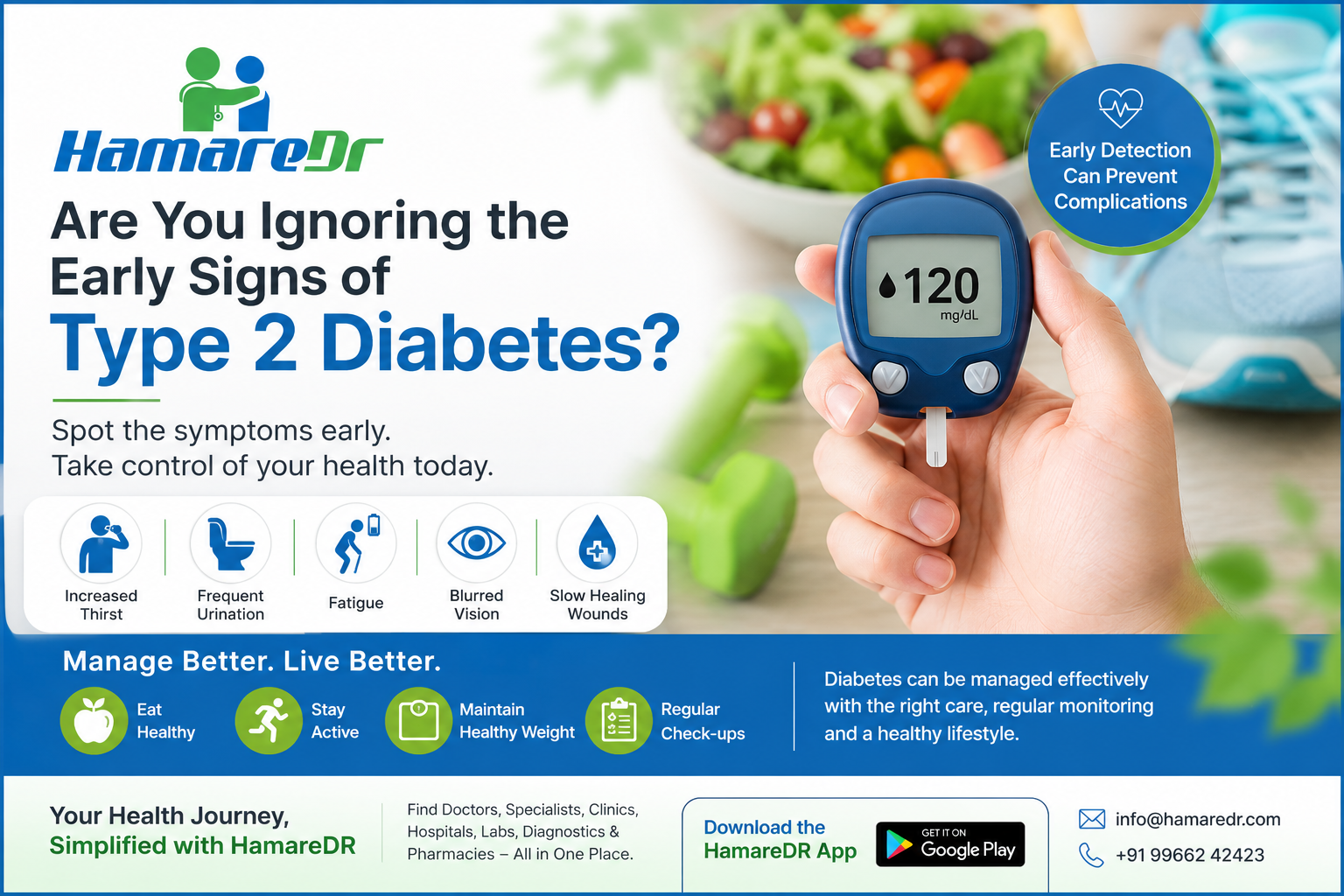
Feeling unusually thirsty, tired all the time, urinating frequently, or noticing that wounds take longer to heal? These can sometimes be early warning signs of Type 2 diabetes. Learn about common symptoms, risk factors, testing, prevention, and when it may be time to consult a doctor.
Feeling Tired, Thirsty or Hungry More Often Than Usual?
Do you feel exhausted even after getting enough sleep?
Are you drinking more water than usual but still feeling thirsty?
Have you noticed that you need to urinate more frequently, particularly at night?
Do small cuts or wounds seem to be taking longer than expected to heal?
Individually, these symptoms can have many possible causes. But when several occur together or continue for an extended period, they shouldn’t simply be ignored. They can be among the warning signs associated with Type 2 diabetes. The challenge is that Type 2 diabetes can develop gradually. Some people experience mild symptoms, while others may have no noticeable symptoms at all in the early stages. That makes awareness and timely testing particularly important.
Type 2 diabetes is a chronic condition that affects the way your body regulates and uses glucose, commonly known as blood sugar. Glucose is an important source of energy for your body. The hormone insulin, produced by the pancreas, helps glucose move from the bloodstream into cells where it can be used for energy. With Type 2 diabetes, the body may become resistant to insulin, meaning it does not respond to insulin effectively. Over time, the pancreas may also struggle to produce enough insulin to keep blood glucose within a healthy range. As a result, too much glucose can remain in the bloodstream. Persistently high blood sugar can gradually affect different organs and systems in the body.
Some common symptoms associated with Type 2 diabetes include: Frequent urination, especially during the night Increased thirst, Increased hunger, Unexplained tiredness or weakness, Blurred vision, Cuts or wounds that heal slowly, Frequent infections, Tingling, burning or numbness in the hands or feet Unexplained weight loss in some people Darkened areas of skin, particularly around the neck or armpits Having one or more of these symptoms does not automatically mean you have diabetes. Several other health conditions can cause similar symptoms. However, persistent or recurring symptoms are a good reason to speak with a qualified health care professional. A doctor may recommend blood tests to determine whether your glucose levels are within the expected range.
You cannot reliably diagnose diabetes based on symptoms alone. Healthcare professionals use blood tests to measure glucose levels and assess whether someone has normal blood glucose, prediabetes or diabetes. Depending on your circumstances, a doctor may recommend tests such as:
HbA1c Test : HbA1c provides an indication of your average blood glucose levels over roughly the previous two to three months.
Fasting Blood Glucose Test : This measures the amount of glucose in your blood after a period of fasting.
Oral Glucose Tolerance Test (OGTT) : This evaluates how your body processes glucose over a specific period after consuming a glucose-containing drink.
Random Blood Glucose Test : A blood sample can also be taken without fasting when clinically appropriate. Your doctor will decide which test or combination of tests is appropriate for you.
When blood glucose remains consistently high, it can gradually damage blood vessels and nerves. Over the long term, poorly controlled diabetes can increase the risk of complications involving the:
Heart and blood vessels: Diabetes is associated with an increased risk of cardiovascular disease.
Kidneys: Persistently high blood sugar can damage the kidneys over time.
Eyes: Diabetes can affect blood vessels in the retina and potentially damage vision.
Nerves: Nerve damage may cause numbness, tingling, burning or pain, particularly in the feet and legs.
Feet: Reduced sensation and impaired healing can make foot injuries more serious.
The purpose of knowing these risks isn't to create fear. It is to understand why early diagnosis, regular monitoring and appropriate treatment matter.
Yes. Type 2 diabetes can often be effectively managed with an appropriate combination of medical care and lifestyle changes. Management will differ from person to person, but it can include:
1. Eating a Balanced Diet : A healthy eating pattern generally focuses on appropriate portions, vegetables, whole foods, fiber-rich foods and suitable sources of protein while limiting excessive consumption of highly processed foods and added sugars. There is no single diet that is appropriate for every person with diabetes, so personalized medical or nutritional advice can be helpful.
2. Staying Physically Active : Regular physical activity can improve insulin sensitivity and support overall cardiovascular and metabolic health. Your appropriate activity level will depend on factors such as age, current fitness and existing medical conditions.
3. Maintaining a Healthy Weight : For people who are overweight, appropriate weight reduction can improve blood glucose management and other metabolic risk factors.
4. Monitoring Blood Glucose : Some people with diabetes need to monitor their blood glucose regularly. The frequency and method should be determined with their healthcare professional.
5. Taking Prescribed Medication : Lifestyle changes alone may not always be sufficient. Doctors may prescribe oral medicines, injectable medicines or insulin depending on the individual's condition and how their diabetes progresses. Never start, stop or change diabetes medication without consulting your doctor.
Regular Follow-Up Still Matters Diabetes management doesn't end once medication is prescribed. Regular follow-up can help monitor:
Blood glucose and HbA1c
Blood pressure
Cholesterol
Kidney function
Eye health
Foot health
Medication effectiveness Changes in symptoms or overall health Diabetes care can therefore involve more than one type of healthcare provider. Depending on individual needs, patients may require a general physician, diabetologist, endocrinologist, cardiologist, ophthalmologist, dietitian, laboratory, diagnostic center or pharmacy at different stages of their care. Having easier access to the right healthcare services can make ongoing management more convenient.
Consider consulting a healthcare professional if you have persistent symptoms such as excessive thirst, frequent urination, unexplained fatigue, blurred vision, slow-healing wounds or recurring infections. You may also want to discuss diabetes screening with a doctor if you have significant risk factors even when you don't have obvious symptoms. And if you have already been diagnosed with diabetes, follow the monitoring and follow-up schedule recommended by your healthcare provider. Don't self-diagnose based on symptoms or internet information. Proper medical evaluation and testing are essential.
Find It Through HamareDR, Finding the appropriate healthcare provider shouldn't become another challenge when you're already worried about your health. HamareDR brings different parts of the healthcare ecosystem together, helping patients discover and access healthcare providers and services such as clinics, specialty clinics, hospitals, doctors, specialists, super specialists, pharmacies, laboratories and diagnostic centers. Whether you want to consult a doctor about possible diabetes symptoms, need diagnostic testing, require specialist care, or are looking for other healthcare services, explore the options available through HamareDR.
Download the HamareDR Android App: https://play.google.com/store/apps/details?id=com.hamaredr.user&pcampaignid=web_share
Email: info@hamaredr.com
Call: +91 99662 42423
Your Health Deserves Attention Feeling thirsty all the time may seem insignificant. Constant tiredness may feel like part of a busy lifestyle. Frequent urination may be easy to dismiss. But when your body repeatedly tells you something has changed, paying attention can make a difference. Recognize the signs. Get the right medical advice. Get tested when appropriate. Take control of your health.
This article is intended for general health awareness and educational purposes only. It is not a substitute for professional medical advice, diagnosis or treatment. If you have symptoms or concerns about diabetes, consult a qualified healthcare professional.